
Technologies · Polymer
PU Self-Levelling Floor
A seamless self-smoothing polyurethane floor — the comfort floor. Warmer, quieter and more elastic than epoxy, it flexes where harder resins crack.
What it is
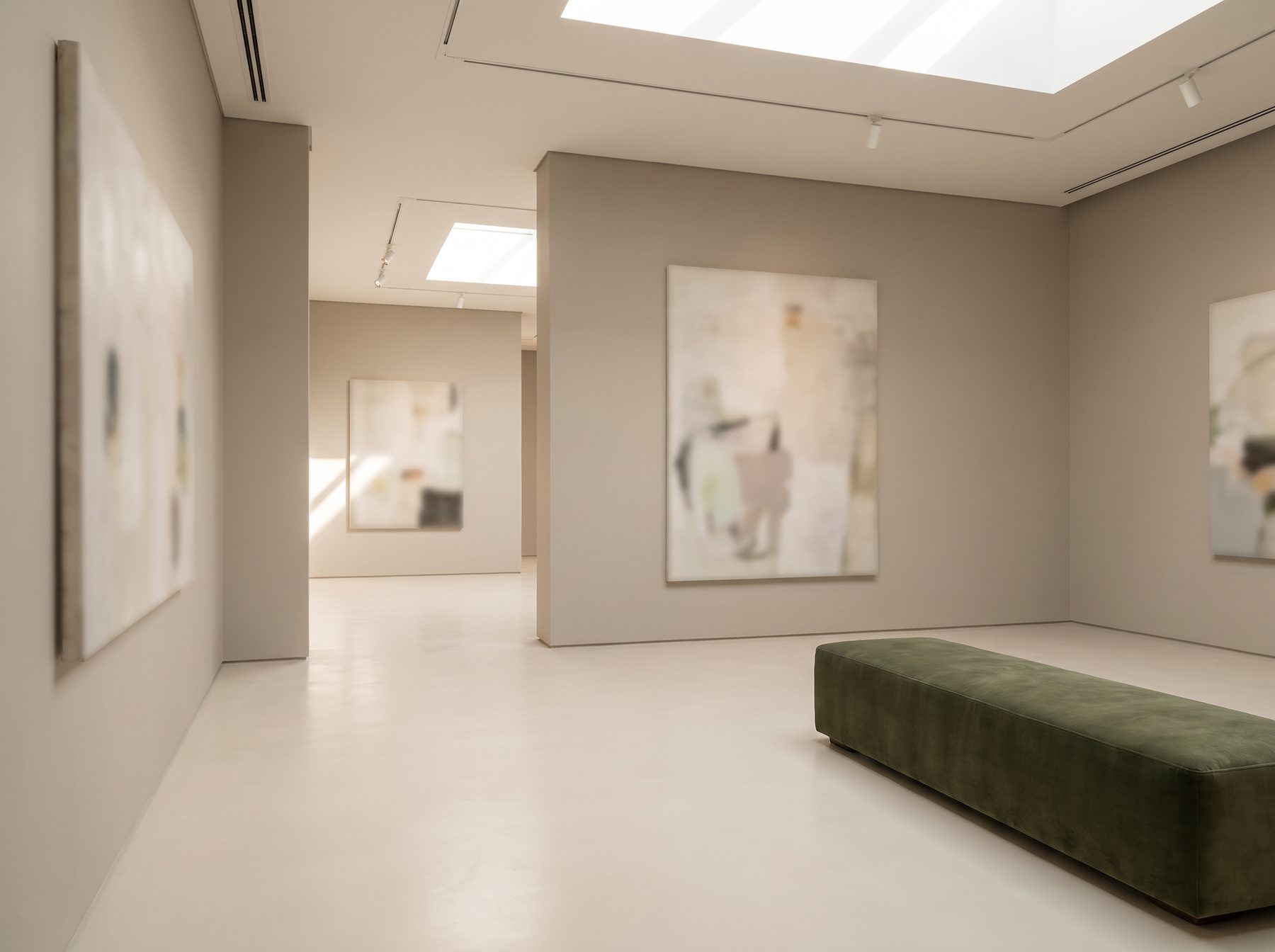
A PU self-levelling floor is poured epoxy’s gentler sibling — the same idea of a liquid floor finding its own level and setting seamless, executed in polyurethane instead of epoxy. The difference is in the polymer’s temperament. Epoxy cures hard, glassy and unyielding; polyurethane keeps a measure of elasticity for life. Underfoot that reads as warmth and a barely-perceptible give — the trade calls these comfort floors for a reason — and to the ear it reads as quiet: heels land with a soft note instead of a clack. Galleries love it because the floor recedes and the art does not echo; retailers, schools and clinics love it because staff stand on it all day and feel it least.
The elasticity works structurally too. A building moves — slabs breathe, hairline cracks open — and where a rigid resin telegraphs every one, a PU body flexes over minor movement and keeps its face calm. That forgiveness is real, and so are its limits, so here is the honest ledger. PU scratches and dents more readily than epoxy; a pallet truck or racking foot will leave its signature. For chemical immersion and hard industrial service, epoxy keeps the crown — choose it and we will say so. The material is also touchy about moisture while it cures, which is precisely why it wants an experienced in-house crew with a moisture meter, not an optimist with a roller. And in strong direct sun the standard body will amber over time, so a bright room gets an aliphatic PU topcoat specified from the start. In short: epoxy is the harder, glassier, chemical champion; PU is comfort, acoustics and flexibility. Most projects know within a minute which one they are.
Where it comes from
Comfort floors grew up in post-war European industry, where polyurethane chemistry offered what epoxy could not: a resin floor that flexed with thermal shock and absorbed impact instead of cracking. From factories it moved into the continent’s schools, hospitals and museums through the 1970s and 80s, and the specification logic never changed — wherever people stand for hours and noise matters, the elastic floor wins. The UAE case writes itself: this market builds galleries, clinics, kindergartens and retail at pace, almost all of it air-conditioned interior space where PU’s one outdoor weakness never comes into play. Laid seamless by our own crews, it is the floor we recommend when someone stands on our epoxy samples and asks whether anything feels a little kinder.
Start a project
Considering PU Self-Levelling Floor for your space?
Tell us about your project on WhatsApp and we'll take it from there.